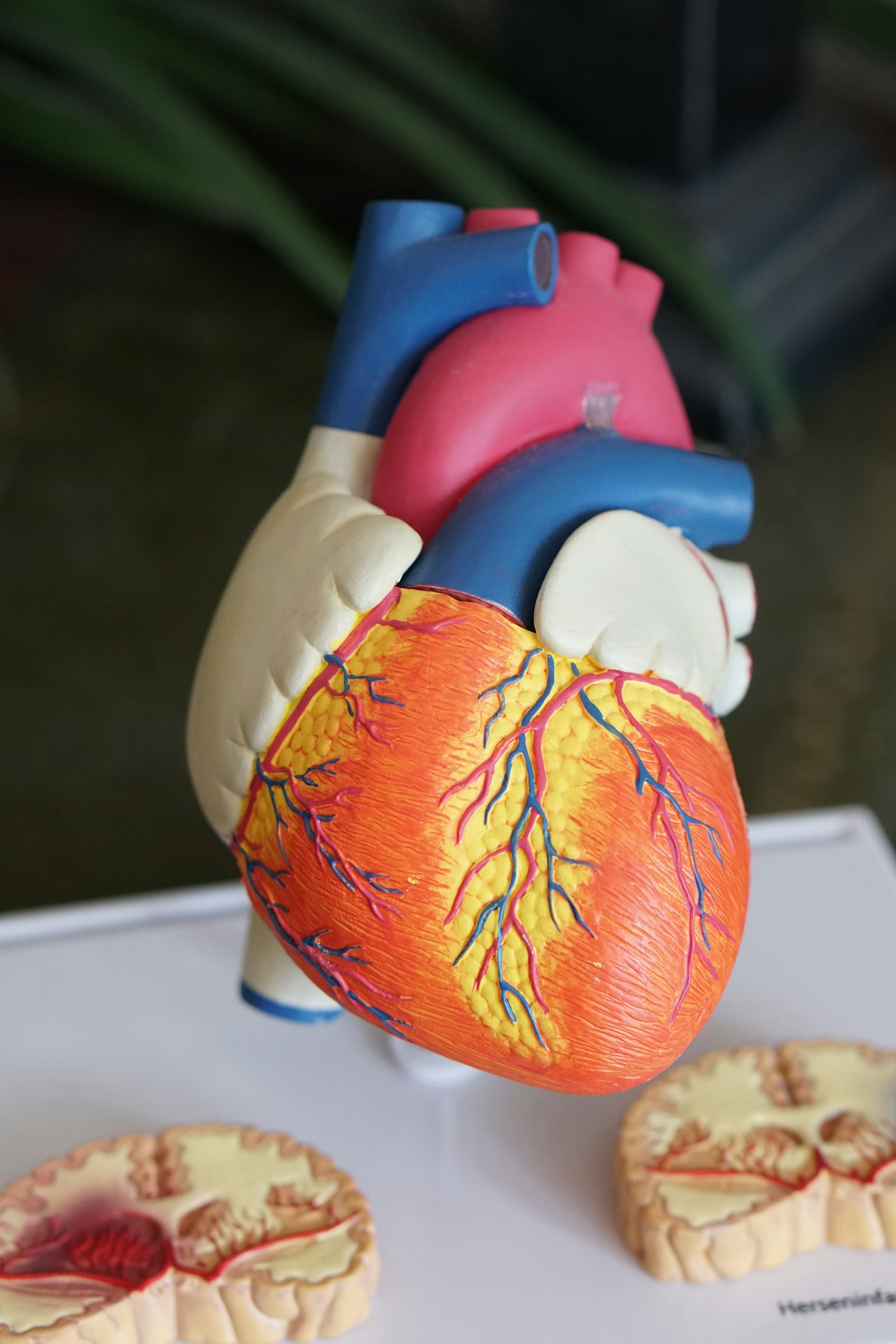
Inflammation saved your life this morning and may be quietly shortening it at the same time. The difference is not the fire — it's whether the fire knows how to go out.
Every scraped knee, every cold fought off, every torn muscle rebuilt: inflammation did that. It is the body's emergency response, and it is magnificent when it works as designed. Blood vessels widen, immune cells flood the site, damaged tissue is cleared, and the repair crew moves in. Then — this is the part that matters — it stops. A healthy inflammatory response is self-limiting. It arrives, it works, it resolves.
The trouble begins when it doesn't resolve. When the off-switch fails, acute inflammation gives way to a low, persistent smoulder that can run for months or years. You don't feel it as heat or swelling. You feel it, if you feel it at all, as fatigue, stiffness, brain fog, a body that recovers a little slower each season. And across the modern research literature, this unresolved, chronic inflammation keeps appearing as a common thread — linked in study after study to metabolic, cardiovascular, joint, cognitive, and skin health.
Two phases nobody explains
Most people think of inflammation as a single event. It is actually two. The first is initiation — the alarm, the recruitment, the clearing of debris. The second, and the one popular understanding forgets entirely, is resolution: an active, orchestrated shutdown in which the body clears the immune cells it summoned and switches the tissue back to maintenance mode.
Resolution is not passive. It is not simply the fire burning itself out. It is a deliberate biological program with its own signals and its own machinery — and when that program falters, the fire stays lit. This distinction reframes the entire question. The interesting research is not about dousing inflammation with a bucket of water. It's about helping the body's own resolution program do its job.
Where peptides enter the story
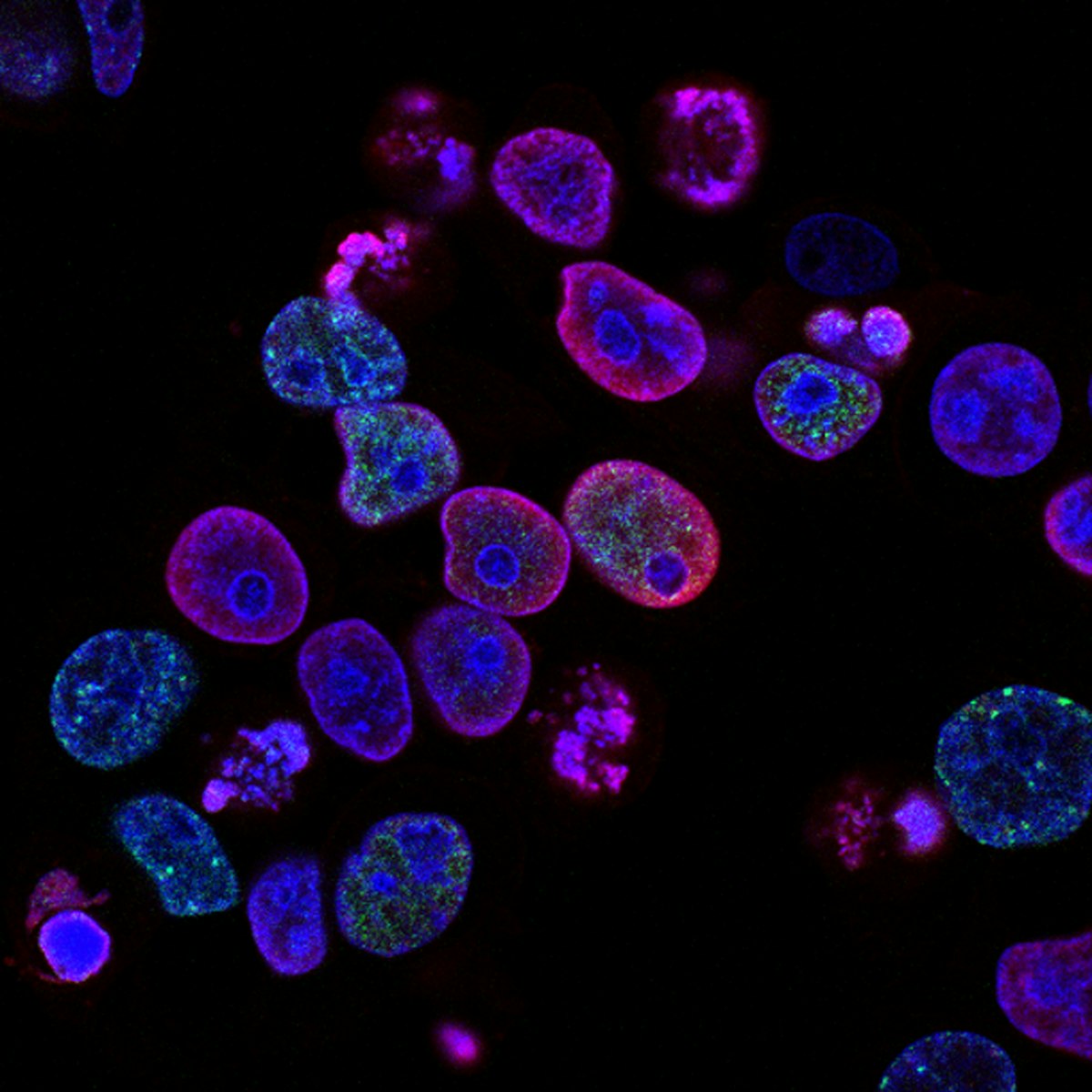
This is where signaling peptides become scientifically interesting. Rather than blunt the immune system wholesale — the sledgehammer approach — certain peptides are studied for how they modulate inflammatory pathways: nudging the system toward balance and resolution instead of shutting it down.
KPV, a three–amino-acid fragment of the α-MSH hormone, is investigated for its interaction with inflammatory signaling, particularly in the gut. ARA-290, a small peptide derived from the erythropoietin molecule, is studied for its action at what researchers call the innate repair receptor — a target sitting precisely at the intersection of inflammation and healing. BPC-157, a sequence based on a protein found in gastric juice, appears throughout the preclinical repair literature for effects on the inflammation-to-repair transition. And Thymosin Alpha-1, drawn from thymic biology, is examined for its role in balancing immune response rather than merely dampening it.
Peptides researchers associate with inflammatory signaling
Each of these is studied for how it interacts with the body's inflammatory and repair pathways. Educational only — not a protocol, not a recommendation for use.
Why balance beats brute force
The instinct to eliminate inflammation entirely misunderstands the biology. You want inflammation — you need it — when there's a genuine threat. What you don't want is a response that never stands down. The most compelling direction in this research is not immunosuppression but recalibration: an immune system that responds decisively and then returns cleanly to baseline.
That is the lens Vitalis uses to organize this category. Not "kill the fire," but "help it finish." It's a subtler idea than the marketing usually allows for, and it happens to be the one the science actually supports.
Understand the mechanism first. Everything worth doing follows from that.